FAQs
About the Project
-
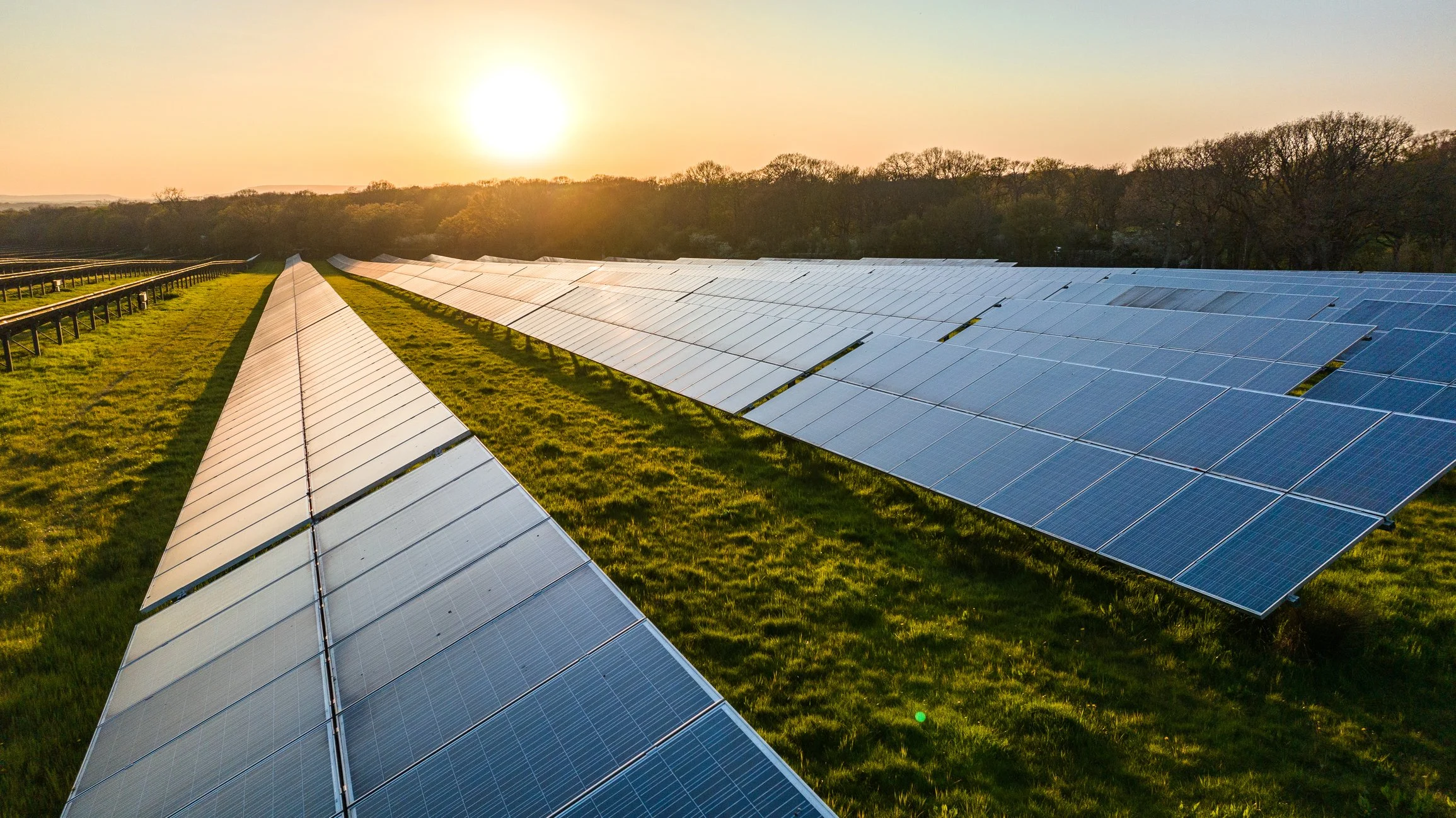
Mallard Pass Solar Farm is a renewable energy project located in Rutland and South Kesteven, Lincolnshire. It has consent to generate up to 240MW of renewable electricity which would be exported to the national grid, helping to power tens of thousands of homes.
-
Yes. Development consent was granted in July 2024 by the Secretary of State following examination by the Planning Inspectorate.
-
Mallard Pass Solar Farm being delivered by Quinbrook Infrastrcture Partners and its delivery arm, Private Energy Partners.
-
The Planning Inspectorate managed the examination process, including hearings, site inspections and stakeholder submissions before making a recommendation to the Secretary of State.
-
The project will contribute towards renewable energy generation, energy security and the UK's net zero objectives.
Energy and Electricity
-
Mallard Pass will connect to the national grid network at Ryhall substation. All electricity generated by the project will be exported to the national grid.
-
Like all electricity generators, Mallard Pass will need to sell the electricity it generates. This may be through the wholesale market, an electricity supplier or a corporate power purchase agreement. Whichever commercial route is used, the electricity will be delivered to the grid.
-
No. Contracts for the sale of electricity generated by Mallard Pass have not yet been agreed. A revised grid connection offer from the National Energy System Operator (NESO) is currently being awaited as a first step.
Responsible Procurement and Supply Chain
-
Quinbrook has a supply chain due diligence programme, supported by independent specialist expertise, to identify, assess, manage and mitigate human rights and modern slavery risks in procurement.
-
Suppliers are expected to meet Quinbrook’s Supplier Code of Conduct and enhanced requirements on supply chain traceability, risk assessment, risk management and sustainability.
-
PEP and Quinbrook recognise the importance of responsible procurement and take concerns about human rights risks in renewable energy supply chains seriously. Modern global supply chains are highly complex and often cross multiple state borders. Quinbrook has therefore implemented an extensive human rights assessment and engagement process, supported by external expertise, to seek to identify, manage and mitigate those risks through its procurement processes. If adequate assurance cannot be obtained for a supply route, that route will not be accepted. Quinbrook will continue to apply its requirements throughout project delivery and will take appropriate action if new information or credible concerns arise.